


Understanding the Essential Role of Stainless Steel Ball Valves in Modern Valve Manufacturing
- ted wang
- Mar 25
- 3 min read

Stainless steel ball valves have become a cornerstone in valve manufacturing, offering unmatched reliability and performance across various industries. Their design simplicity combined with robust material properties makes them a preferred choice for controlling fluid flow in demanding environments. This article explores why stainless steel ball valves are essential, how they function, and what makes them stand out in modern valve production.
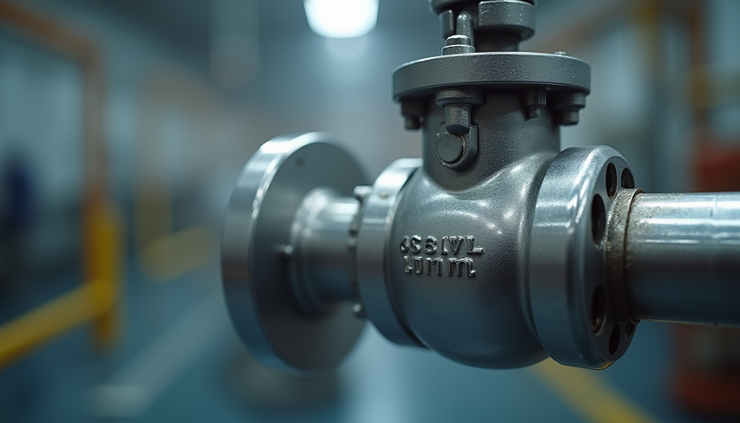
What Makes Stainless Steel Ball Valves Unique
Ball valves use a spherical ball with a hole through its center to control flow. When the ball aligns with the pipe, fluid passes through; when turned 90 degrees, the flow stops. Stainless steel enhances this mechanism by providing:
Corrosion resistance: Stainless steel resists rust and chemical damage, making these valves suitable for harsh environments.
Durability: The material withstands high pressure and temperature variations without deforming.
Low maintenance: Stainless steel’s strength reduces wear and tear, extending valve life and reducing downtime.
These qualities make stainless steel ball valves ideal for industries such as oil and gas, chemical processing, water treatment, and food production.
Key Applications in Valve Manufacturing
Manufacturers rely on stainless steel ball valves for several reasons:
Versatility: They handle gases, liquids, and slurries with equal efficiency.
Precision control: The ball’s design allows for quick shutoff and precise flow regulation.
Compact design: Ball valves are smaller and lighter than many other valve types, saving space and installation costs.
For example, in chemical plants, stainless steel ball valves control aggressive fluids safely, preventing leaks and contamination. In water treatment facilities, their corrosion resistance ensures long-term reliability despite constant exposure to moisture.
Manufacturing Considerations for Stainless Steel Ball Valves
Producing high-quality stainless steel ball valves requires attention to several factors:
Material selection: Choosing the right stainless steel grade (such as 304 or 316) affects corrosion resistance and mechanical strength.
Precision machining: The ball and valve seats must be machined to tight tolerances to ensure a perfect seal.
Surface finishing: Polishing the ball and internal surfaces reduces friction and wear, improving valve operation.
Testing: Valves undergo pressure and leak tests to meet industry standards and customer specifications.
Manufacturers who invest in these processes deliver valves that perform reliably in critical applications.
Advantages Over Other Valve Types
Compared to gate, globe, or butterfly valves, stainless steel ball valves offer several benefits:
Faster operation: A quarter-turn handle opens or closes the valve quickly.
Tighter sealing: The spherical ball provides a bubble-tight seal, minimizing leaks.
Lower pressure drop: When fully open, the flow path is straight, reducing resistance.
Ease of automation: Ball valves adapt well to electric or pneumatic actuators for remote control.
These advantages explain why ball valves dominate many sectors requiring dependable flow control.
Practical Tips for Valve Manufacturers
For valve manufacturers aiming to optimize stainless steel ball valve production, consider these points:
Focus on quality control: Regular inspections during machining and assembly prevent defects.
Use advanced materials: Explore stainless steel alloys with enhanced corrosion resistance for specialized applications.
Invest in automation: Automated production lines improve consistency and reduce costs.
Offer customization: Tailor valve sizes, pressure ratings, and end connections to customer needs.
Provide clear documentation: Detailed specifications and maintenance guides help end users maximize valve lifespan.
By applying these practices, manufacturers can build a strong reputation and meet growing market demands.
Final Thoughts on Stainless Steel Ball Valves
Stainless steel ball valves play a vital role in modern valve manufacturing by combining durability, precision, and versatility. Their ability to perform reliably in tough conditions makes them indispensable across many industries. For valve manufacturers, focusing on material quality, precise machining, and customer requirements ensures these valves continue to deliver value.
Comments