


The Ultimate Guide to Industrial Valves, Pipe Fittings, and Pipes: 2026 Selection & Maintenance Tips
- ted wang
- Apr 6
- 1 min read

In the complex world of industrial fluid handling, the synergy between industrial valves, pipe fittings, and pipes is the backbone of efficiency and safety. Whether you are operating a chemical processing plant, a water treatment facility, or an oil refinery, understanding how these components interact is crucial. As we move through 2026, new materials and smart technologies are reshaping the industry standards.
1. Understanding the Core Components
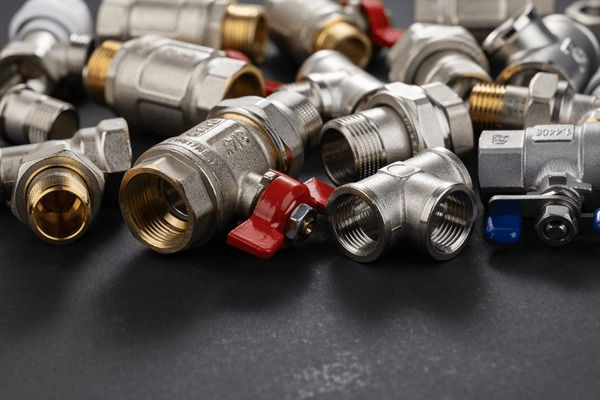
Valves are the "switches" of a piping system. They regulate, direct, or control the flow of a fluid by opening, closing, or partially obstructing various passageways. Stainless steel ball valves are known for their durability and excellent shut-off capabilities.
2. Key Considerations for Selection
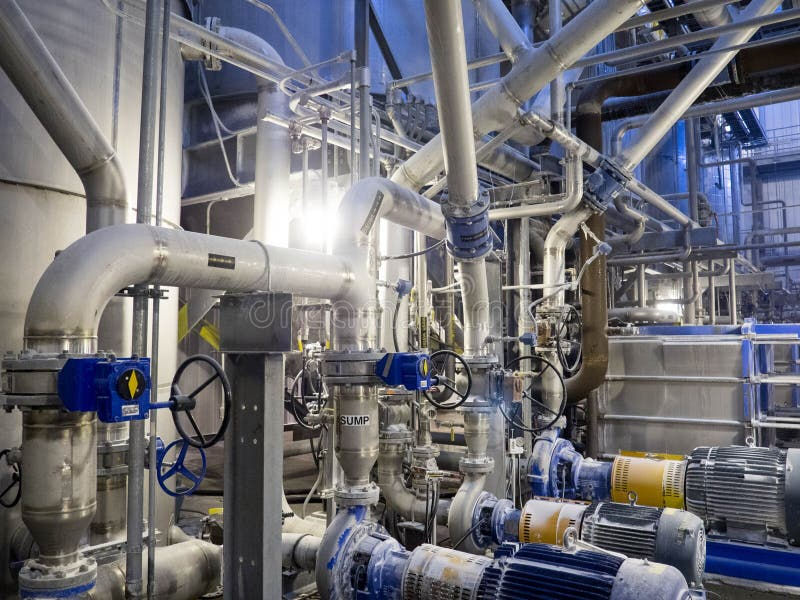
Selecting the right valve or fitting is not just about size; it’s about matching the component to the environment. Factors like material compatibility, pressure rating, and temperature range are critical for ensuring system integrity.
3. Maintenance Best Practices for 2026
To maximize the lifespan of your piping system, a proactive maintenance strategy is essential. Regular inspection, proper lubrication, and cleaning are key steps. In 2026, IoT-enabled sensors are becoming standard for real-time monitoring.
4. Sourcing from Reliable Suppliers
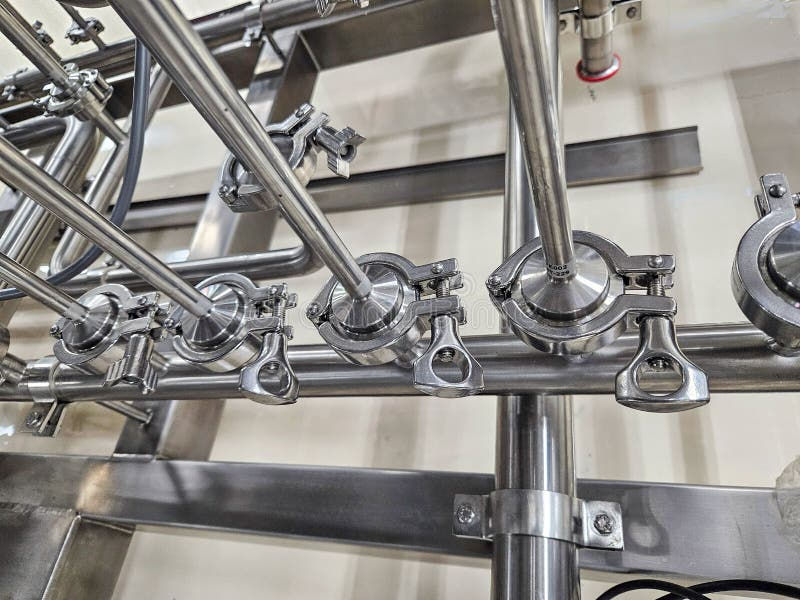
Prioritize suppliers with international certifications like ISO 9001, CE, and API. A reliable supplier like Wofer Valve ensures your system operates at peak performance with high-quality China ball valves and pipe fittings.
Comments