


Comprehensive Guide to Industrial Valves, Fittings, and Pipes: Optimizing Your Piping System
- ted wang
- Mar 18
- 2 min read

In the complex world of industrial infrastructure, the seamless operation of any facility depends heavily on the integrity and efficiency of its piping systems. Whether you are involved in oil and gas, chemical processing, water treatment, or power generation, understanding the critical roles of industrial valves, pipe fittings, and pipes is essential for ensuring safety, reliability, and long-term performance. This guide explores the fundamental components that make up a robust piping network and how to select the right materials for your specific application.
The Essential Role of Industrial Valves
Valves are the control centers of any piping system. They are mechanical devices used to start, stop, or regulate the flow of liquids and gases through a pipeline. Selecting the appropriate valve type is crucial for maintaining process control and preventing system failures. Common types include ball valves for quick shut-off, gate valves for isolation, and globe valves for throttling flow. High-quality valves, such as those manufactured by Wofer Valve, are designed to withstand extreme pressures and temperatures, providing peace of mind in demanding industrial environments.
Understanding Pipe Fittings and Connections
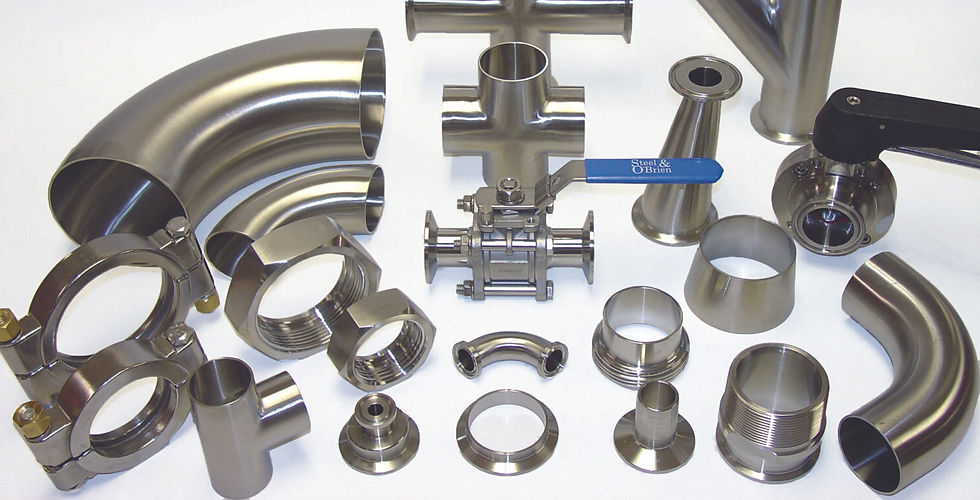
While pipes carry the fluid, pipe fittings are what allow the system to change direction, branch off, or adapt to different sizes. Fittings such as elbows, tees, reducers, and couplings are the unsung heroes of industrial plumbing. The choice of fitting material—whether it's stainless steel, carbon steel, or specialized alloys—must match the pipe material to prevent galvanic corrosion and ensure a leak-proof connection. Precision-engineered fittings are vital for maintaining the structural integrity of the entire network, especially under high-vibration or high-pressure conditions.
Selecting the Right Industrial Pipes
Pipes serve as the primary conduits for fluid transport. Choosing the right pipe involves considering several factors, including the chemical properties of the fluid, operating temperature, and pressure requirements. For instance, stainless steel pipes are preferred for their corrosion resistance in food processing and chemical industries, while carbon steel pipes are often used for high-temperature steam applications. Understanding the specifications and standards (such as ASME or ASTM) ensures that the pipes selected will meet the rigorous demands of the project and provide a long service life.
SEO Optimization for Industrial Piping Content
To ensure your industrial solutions reach the right audience, SEO optimization is key. By focusing on relevant keywords like 'industrial valves', 'stainless steel pipe fittings', and 'industrial piping systems', businesses can improve their search engine rankings. High-quality, informative content not only helps in SEO but also establishes authority and trust with potential clients. Providing detailed specifications, case studies, and technical guides can significantly enhance user engagement and conversion rates.
In conclusion, the synergy between valves, fittings, and pipes is what defines a successful industrial piping system. Investing in high-quality components and following industry best practices for installation and maintenance will lead to safer operations and reduced downtime. For more information on premium industrial valves and piping solutions, visit www.wofervalve.com and explore our extensive catalog of products designed for the modern industry.
Comments