


A Guide to Oil and Gas Valves & Piping for Critical Applications
- ted wang
- Jan 16
- 3 min read

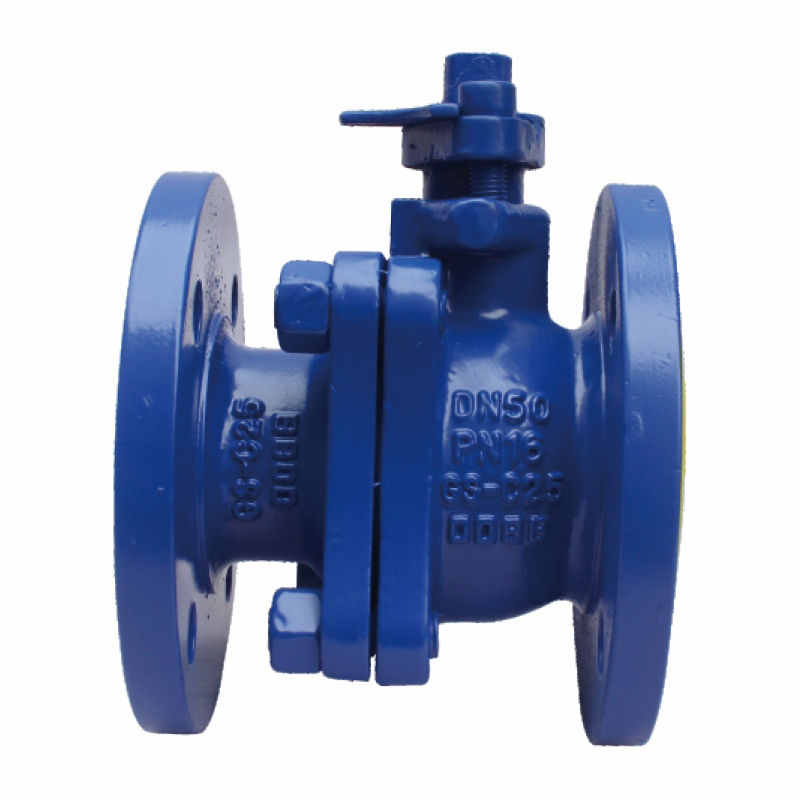
The oil and gas industry operates at the extremes. From the immense pressures of deep-sea extraction to the corrosive nature of sour crude and the cryogenic temperatures of LNG processing, its piping systems must perform flawlessly in the world's most demanding environments. In this high-stakes arena, there is no room for error. The selection of pipes and, most critically, oil and gas valves, is governed by stringent standards, extreme performance requirements, and an unwavering focus on safety. This guide delves into the unique challenges and critical considerations for choosing components destined for upstream, midstream, and downstream applications.
1. The Unforgiving Environment of Oil and Gas
Piping components in this sector face a barrage of challenges that dictate every aspect of their design and material composition.
Extreme Pressures and Temperatures: Upstream (exploration and production) operations often involve pressures exceeding 10,000 PSI. Components must be engineered to withstand these forces without failure.
Corrosive and Erosive Media: Crude oil and natural gas are rarely pure. They often contain hydrogen sulfide (H2S, or "sour gas"), CO2, sand, and other corrosive or erosive elements that can rapidly degrade standard materials.
Fire Safety: The risk of fire is a constant concern. Valves, especially actuators and seals, must be "fire-safe" certified, meaning they can maintain their pressure-containing integrity for a period of time during a fire.
2. The Gold Standard: API Specifications for Oil and Gas Valves
The American Petroleum Institute (API) sets the global standard for oil and gas valves. Compliance is not optional; it is a requirement for ensuring safety and interoperability. Key standards include:
API 6D: This is the primary specification for pipeline and piping valves, covering gate, ball, plug, and check valves used in pipeline systems.
API 6A: This standard covers equipment for wellheads and Christmas tree assemblies, including high-pressure valves designed for containment at the source.
API 600 / API 602: These standards specify the design criteria for steel gate valves and compact steel gate valves, respectively, which are widely used in refinery (downstream) applications.
When sourcing oil and gas valves, always ensure they are certified to the relevant API standard for your application.
3. Material Selection: Beyond Standard Steel
While carbon steel is a common base material, the harsh realities of the oil and gas industry necessitate the use of advanced alloys and cladding.
NACE MR0175 Compliance: This standard (now ISO 15156) is critical for materials used in sour gas environments. It specifies which alloys are resistant to sulfide stress cracking (SSC), a catastrophic failure mode caused by H2S.
Corrosion Resistant Alloys (CRAs): For the most severe applications, valves and pipes may be constructed from or internally clad with nickel alloys (e.g., Inconel, Monel) or duplex stainless steels. These materials offer superior resistance to a wide range of corrosive chemicals.
Low-Temperature Carbon Steel: For cryogenic applications like LNG, components must be made from special carbon steels (e.g., ASTM A350) that retain their toughness and do not become brittle at extremely low temperatures.
4. Key Valve Types and Their Roles
While many valve types are used, certain designs are fundamental to oil and gas operations.
Trunnion-Mounted Ball Valves: These are the workhorses of high-pressure pipeline applications. The trunnion design supports the ball, reducing torque and allowing for reliable operation under immense pressure. They provide tight, bubble-free shutoff, which is essential for pipeline isolation.
Slab and Expanding Gate Valves: Specified under API 6D, these gate valves are designed for pipeline use, offering a full, unobstructed bore that allows for "pigging" (in-line inspection and cleaning).
Choke Valves: Crucial in upstream production, choke valves are a specialized type of globe valve designed to control flow rate and reduce pressure as fluids come from the wellhead.
Conclusion: Engineering for Extremes
The selection of pipes and oil and gas valves is a highly specialized discipline where safety and reliability are paramount. It requires a deep understanding of industry standards like API and NACE, expertise in advanced material science, and a clear knowledge of the specific challenges posed by each segment of the industry. From the wellhead to the refinery, every component is a critical piece of a complex system, engineered to contain immense forces and withstand aggressive media. Investing in high-quality, certified components is the only way to ensure the safe, reliable, and profitable operation of any oil and gas facility.
Comments