


A Comprehensive Guide to Industrial Valves, Pipe Fittings, and Pipes
- ted wang
- Apr 10
- 3 min read

A Comprehensive Guide to Industrial Valves, Pipe Fittings, and Pipes: Optimizing Your Piping System
In the intricate world of industrial infrastructure, the seamless flow of liquids and gases is the lifeblood of operations. Whether it is a chemical processing plant, a water treatment facility, or an oil refinery, the integrity of the piping system is paramount. This system relies on three critical components: industrial valves, pipe fittings, and pipes. Understanding how these elements work together is essential for engineers, procurement specialists, and facility managers looking to optimize performance and ensure safety.
The Role of Industrial Valves: Precision Control

Industrial valves are the "command centers" of any piping system. They are mechanical devices used to start, stop, or regulate the flow of media through a pipe. Choosing the right valve type is crucial for efficiency and longevity.
1. Ball Valves
Ball valves are among the most common valves used in industrial applications. They utilize a spherical disc to control flow. Known for their durability and excellent shut-off capabilities, they are ideal for "on/off" applications without significant pressure drop.
2. Gate Valves
Gate valves are designed for fully open or fully closed service. They are often used in systems where minimal flow restriction is required. However, they are not suitable for throttling (regulating flow) as the high-velocity flow can damage the gate.
3. Butterfly Valves
For large-diameter pipes, butterfly valves are a cost-effective and space-saving solution. They use a rotating disc to regulate flow and are favored for their quick operation and lightweight design.
4. Check Valves
Safety is non-negotiable, and check valves play a vital role by preventing backflow. These automatic valves ensure that the media flows in only one direction, protecting pumps and other sensitive equipment from damage.
Pipe Fittings: The Essential Connectors

If pipes are the highways, pipe fittings are the interchanges and exits. Fittings are used to join pipe sections, change the direction of flow, or adapt to different pipe sizes.
Elbows: Used to change the direction of the pipeline, typically at 45 or 90-degree angles.
Tees: Allow for the branching of a single line into two separate lines.
Reducers: Essential for connecting pipes of different diameters, ensuring a smooth transition in flow.
Couplings and Unions: Used to connect two pipes of the same diameter, with unions offering the advantage of easy disassembly for maintenance.
When selecting fittings, material compatibility is key. For instance, using stainless steel pipe fittings with stainless steel pipes prevents galvanic corrosion and ensures a unified system lifespan.
Industrial Pipes: The Foundation of Flow
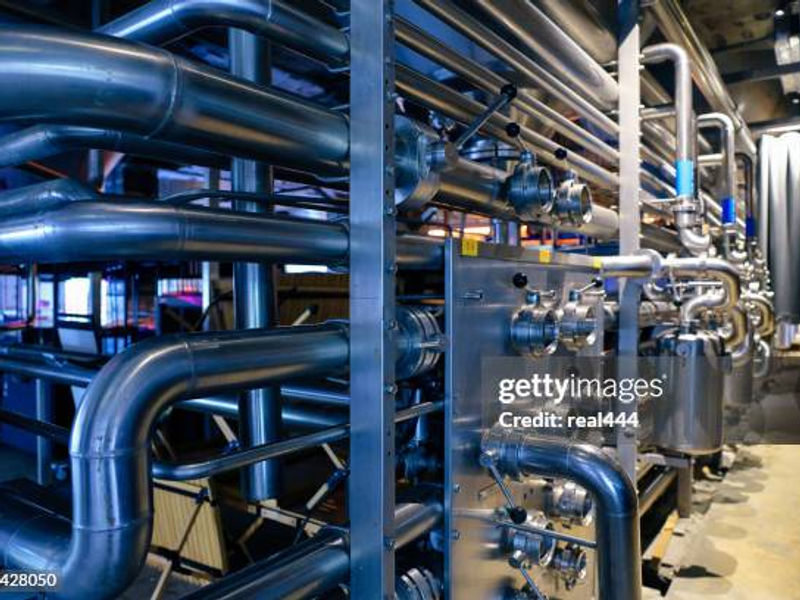
The choice of pipes depends heavily on the media being transported, the operating temperature, and the pressure requirements.
Stainless Steel Pipes
Stainless steel is the gold standard for many industries due to its exceptional corrosion resistance and strength. It is widely used in food processing, pharmaceuticals, and marine environments where hygiene and durability are top priorities.
Carbon Steel Pipes
For high-pressure and high-temperature applications where corrosion is less of a concern, carbon steel pipes offer a robust and economical alternative. They are commonly found in power plants and oil and gas transportation.
Optimizing for SEO: Key Considerations for Your Piping Project
When designing or maintaining a piping system, several factors should guide your selection process:
Media Compatibility: Ensure the material of the valves, fittings, and pipes can withstand the chemical properties of the fluid or gas.
Pressure and Temperature Ratings: Always verify that every component is rated for the maximum expected pressure and temperature of the system.
Standard Compliance: Look for products that meet international standards such as API, ANSI, or ISO. This ensures interchangeability and reliability.
Supplier Reliability: Partnering with a professional valve manufacturer and pipe fittings supplier is critical. A reliable partner like Wofer Valve provides not only high-quality products but also technical expertise to help you make the right choice.
Conclusion: A Unified Approach to Piping Excellence
A piping system is only as strong as its weakest link. By carefully selecting high-quality industrial valves, compatible pipe fittings, and the right pipes, you can create a system that is efficient, safe, and durable. Whether you are looking for a stainless steel ball valve or specialized industrial pipe fittings, prioritizing quality and engineering standards will pay off in reduced maintenance costs and minimized downtime.
For those in search of premium solutions, Wofer Valve offers a comprehensive range of industrial valves and fittings designed to meet the rigorous demands of modern industry. Investing in the right components today ensures the smooth flow of your business tomorrow.
Comments